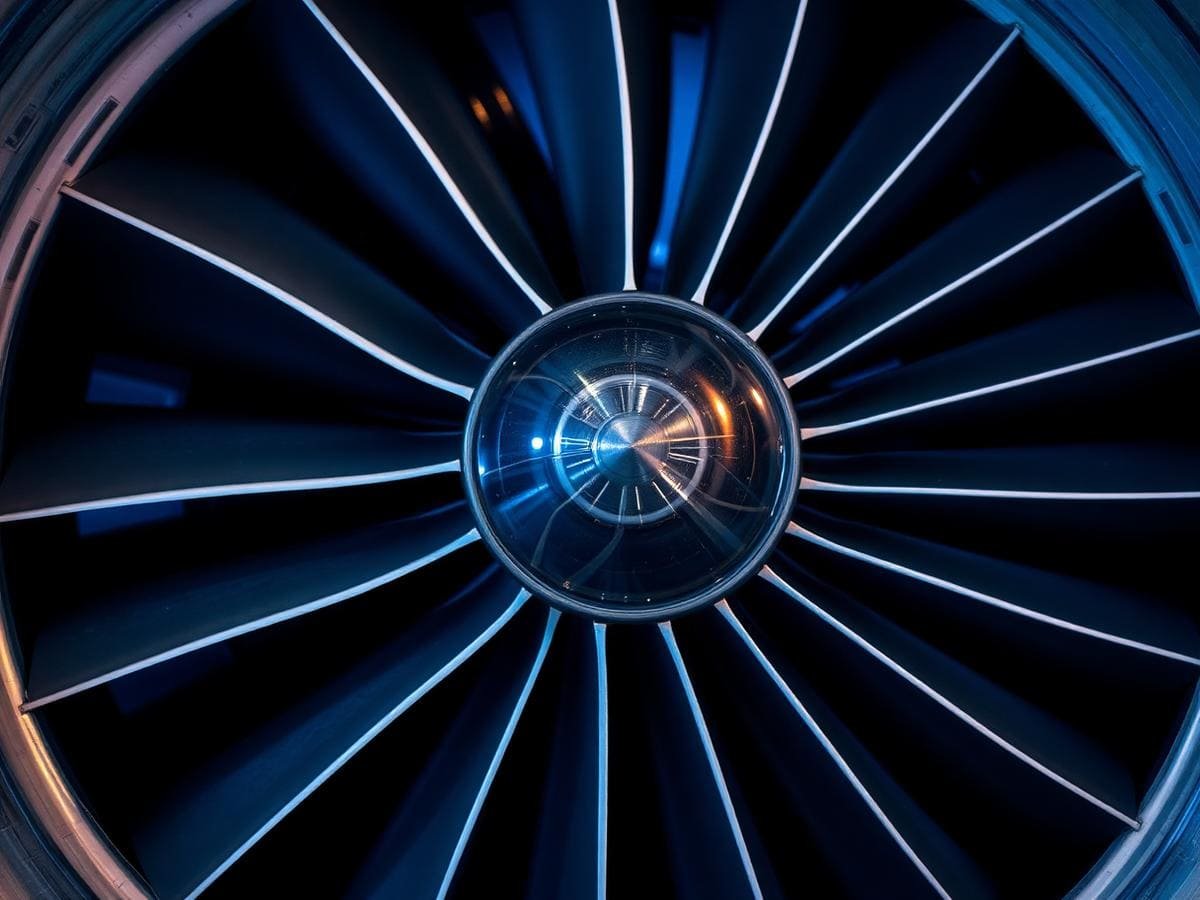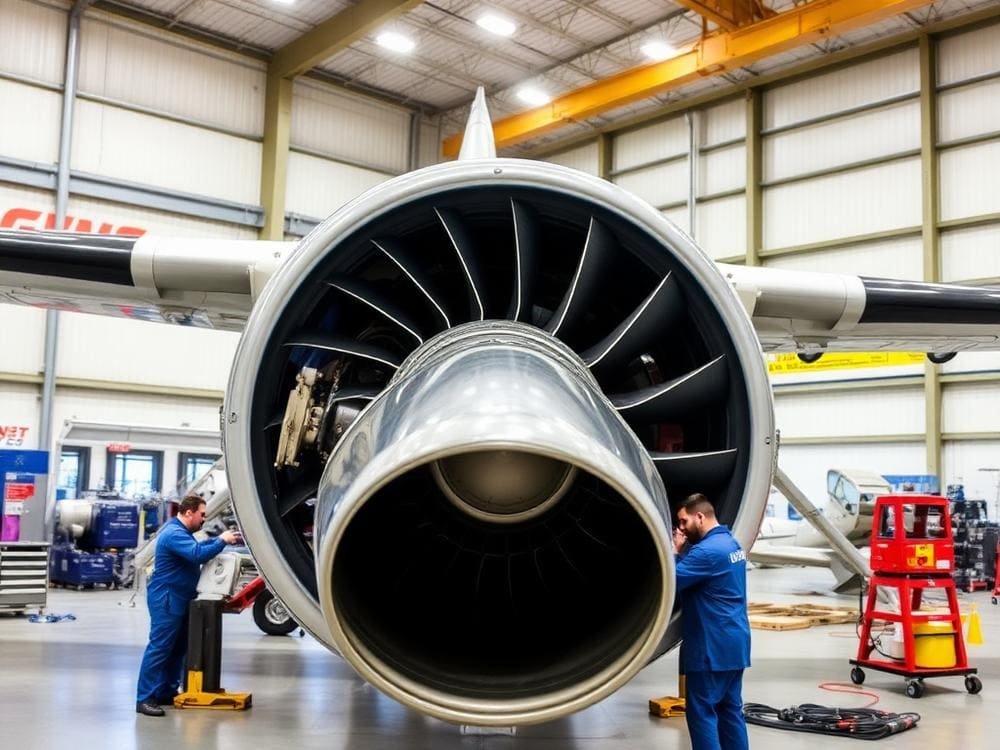
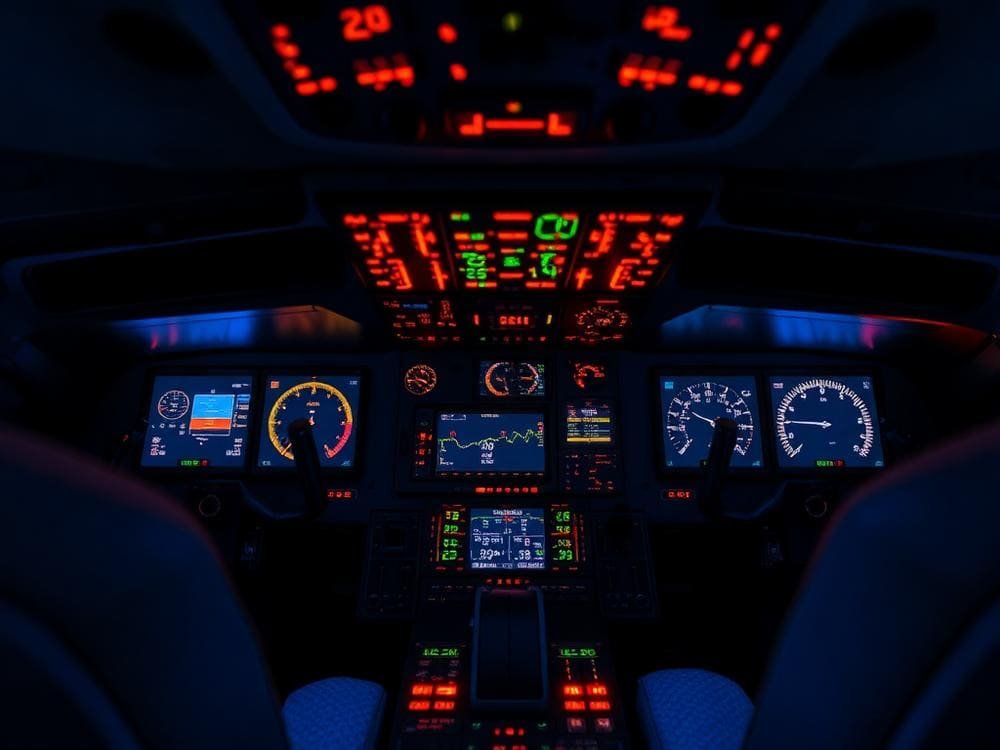
An aircraft on the ground is the most expensive asset an operator owns — it earns nothing and costs everything. The difference between a six-hour delay and a six-day grounding is rarely the part itself; it is the response chain behind it.
The economics of a grounded aircraft
Industry estimates put the direct cost of a narrowbody AOG at tens of thousands of dollars per day — before counting passenger compensation, crew duty disruption and the knock-on effect across the schedule.
For military and government operators the cost is measured differently — in mission readiness — but the pressure is the same: the aircraft must fly.
Building a 24-hour response chain
Effective AOG support starts before the phone rings. Pre-qualified suppliers, standing freight arrangements and pre-cleared customs templates mean a request at midnight can be a shipment by morning.
Our AOG desk operates around the clock, with engineers — not call handlers — taking the request, identifying the correct part against the aircraft's configuration, and owning the shipment until it is signed for.
Prevention through pooling
The cheapest AOG is the one that never happens. Rotable exchange pools and forward-stocked consumables remove the most common failure items from the critical path entirely.
Operators who invest in pooling arrangements consistently report higher dispatch reliability at lower total spares cost — the strongest argument for planning over reacting.
“Every AOG hour saved is revenue protected and reputation preserved.”