A water station is a system, not a shopping list. Municipalities that procure pumps, motors and control panels from separate vendors inherit the integration risk — and discover it during commissioning, when it is most expensive to fix.
From pump sets to turnkey stations
A turnkey package covers hydraulics, mechanical equipment, electrical systems, controls and commissioning under a single engineering responsibility. The client receives a tested station, not a warehouse of components.
This approach compresses schedules dramatically: equipment is selected and matched at the design stage, long before it reaches the site.
Engineering the package
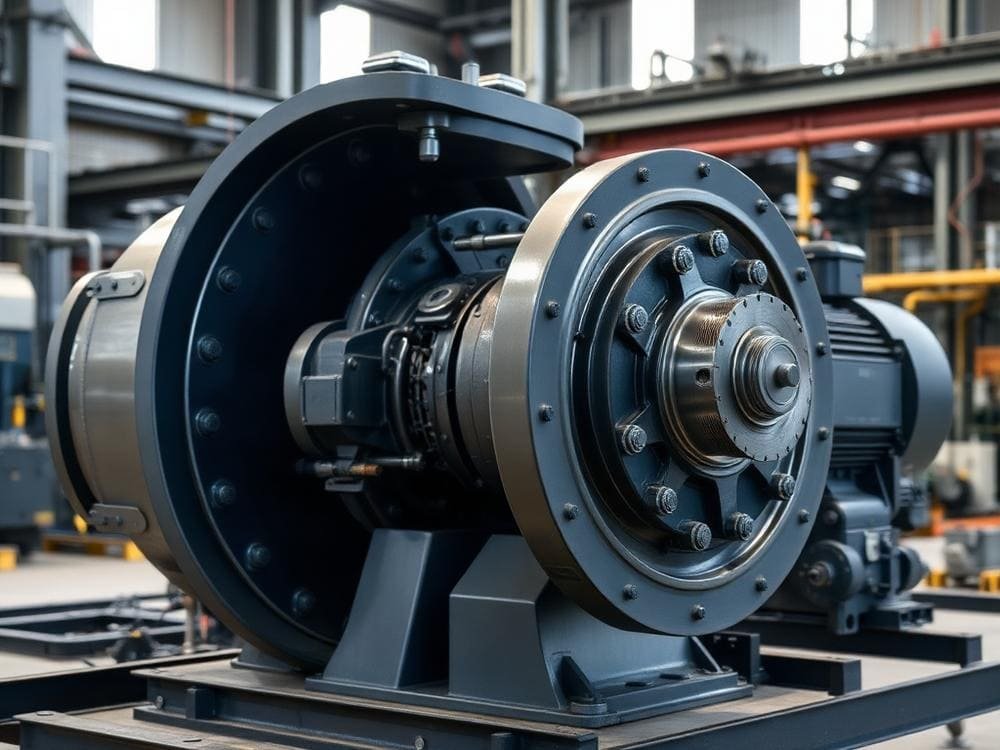
Pump selection starts from the duty point, not the catalogue. Flow, head, NPSH and water chemistry determine the hydraulic design; motor sizing, starting method and VFD strategy follow from the process requirements.
Control panels are engineered around the station's operating philosophy — duty rotation, dry-run protection, remote monitoring — so the equipment behaves the way the operators actually run the plant.
Commissioning and lifecycle support
Commissioning is where the engineering is proven. Performance testing against the design duty point, vibration and temperature baselines, and operator handover training complete the delivery.
A water station is a thirty-year asset. We support what we commission with spares planning and lifecycle advice, because a station is not a product — it is a long-term engineering commitment.
“A water station is not a product — it is a long-term engineering commitment.”